


.png?imageMogr2/crop/220x71/gravity/center/format/webp)
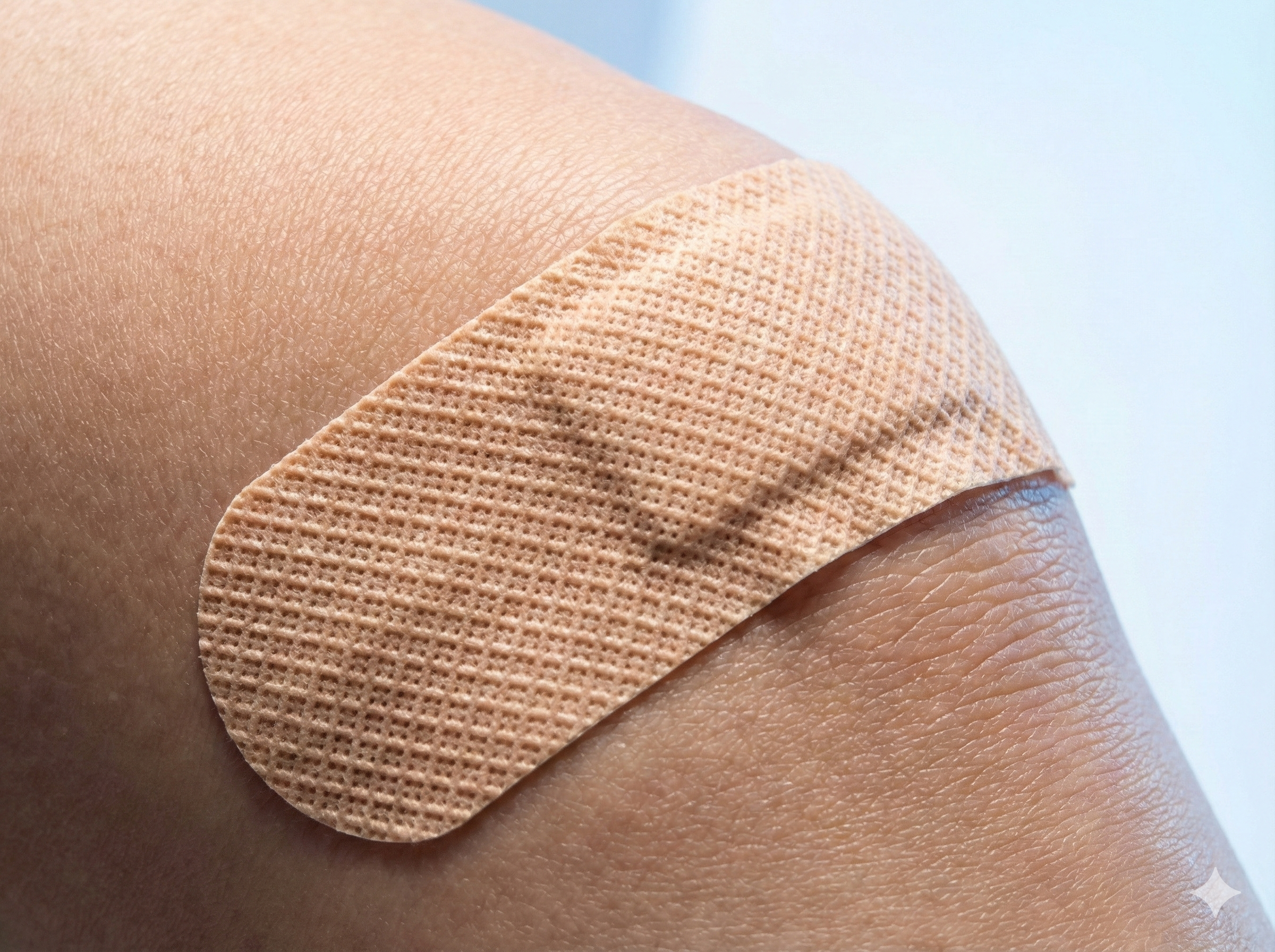
現代の創傷ドレッシングは単一の素材ではなく、設計されたシステムです。典型的な構造は、吸収性のコア、創傷接触層、滲出物分布層、通気性のある外膜、接着固定システムを組み合わせています。各層は特定の機能を果たしており、弾性不織布は、可動体部位向けに設計されたドレッシングにおいて、固定層や適合可能な裏地部品の基盤としてますます選ばれています。医療グレードの弾性不織布を選ぶことは、衛生グレードの材料を選ぶのとは異なる作業であり、規制枠組み、生物学的安全性試験の負担、臨床性能の期待値がはるかに厳しくなります。
本記事では、創傷ドレッシングの使用性能を決定する材料特性、衛生用途と差別化する医療グレードの要件、そして臨床製品用の通気性弾性非織布調達時に創傷ケアメーカーが適用するサプライヤー資格基準を検討します。
創傷ドレッシングにおける弾性非織布の機能的要求
機械的に機能しない創傷ドレッシング材料は、漏れ、置換、ドレッシングの失敗、または創傷周囲の皮膚損傷といった臨床的な結果を引き起こします。創傷ドレッシングの弾性非織布成分は、三つの機能的要件を同時に満たさなければなりません。
適合性
包帯は関節の動きや体の輪郭に沿って、ブリッジや縁の転がり、角の接着性が失われることなくなければなりません。膝、肘、かかと、指のドレッシングは繰り返し屈曲サイクルを経験します。これは24時間の使用で硬くなる素材で、刃のリフトや傷の露出を引き起こします。
水分バランス
創傷床の過剰な水分は創傷周囲皮膚の浸潤を引き起こします。湿気不足は傷口床を乾燥させ、治癒を遅らせます。包帯材は、水分蒸気が滲出物の発生量に合わせて排出されるようにしなければなりません。MVTRが高すぎると傷口が乾燥し、MVTRが低すぎるとマセレーションを引き起こします。
優しい除去
頻繁なドレッシング交換は、一部の創傷タイプでは毎日行うもので、表皮層を剥がしたり、新たにできた皮膚を裂いたり、医療用接着剤関連皮膚損傷(MARSI)を引き起こしてはなりません。裏地素材と接着剤の相互作用が剥離力や皮膚外傷リスクを決定します。
これらの要求は付加するものではなく、相互作用します。MVTRが高い材料は通気性が高いかもしれませんが、接着剤の乾燥を早め、除去力が増す可能性があります。適合性が高いほど、弾性率が低くなる可能性があり、それが材料が接合部全体で張力を維持する能力を低下させることがあります。創傷ドレッシングの材料選択は、これらのトレードオフを最適化するためのものであり、単一の特性を最大化することではありません。
「医療グレード」とは物質的な意味
「医療グレード」という用語はマーケティングで広く使われていますが、医療機器として販売される創傷ドレッシングに使用される材料に適用されると、厳密な規制上の意味を持ちます。EU医療機器規制(MDR 2017/745)および他国の同等の枠組みの下で、創傷ドレッシングに使用される材料は、その生物学的安全性および患者との接触期間・性質に基づいて評価されます。
適用される規格はISO 10993(医療機器の生物学的評価)です。破れた皮膚や損傷した皮膚に24時間から30日間限定的に接触する創傷ドレッシングの場合、該当する検査パネルは通常以下が含まれます。
| ISO 10993テスト | 測定対象 | なぜ創傷ドレッシングに重要なのか |
|---|---|---|
| ISO 10993-5 — 細胞毒性 | 細胞培養(通常はL929マウス線維芽細胞)への物質抽出物への曝露;細胞生存率は70%を超えなければなりません | 創傷床細胞を損傷し治癒を妨げる可能性のある浸出性物質を検出します |
| ISO 10993-10 — 刺激と感作 | 皮膚刺激(皮内または皮上刺激)および感作(モルモット最大化型、LLNA) | 細胞毒性を通過する物質は遅延接触皮膚炎を引き起こすことがあります。皮膚接触医療機器では感作検査が義務付けられています |
| ISO 10993-18 — 化学的特性評価 | 物質からの抽出物および浸出物の同定と定量 | MDRのリスク評価に必須;創傷床に移動する可能性のある残留モノマー、添加剤、処理補助剤を特定 |
| ISO 10993-23 — 刺激(特定) | 皮膚刺激のin vitro再構築ヒト表皮(RhE)モデル | 動物実験の使用削減;医療機器の皮膚接触材料に関してMDRの対象としてますます受け入れられるようになっています |
ここで実用的な点が2つ当てはまります。まず、材料に対してISO 10993の試験が実施されます供給の通り— 表面仕上げ、残留加工補助剤、添加剤などが含まれます。供給者の標準形で生物安全試験に合格した材料は、ドレッシングメーカーの変換工程で汚染物質を導入したり表面を変化させたりすると失敗する可能性があります。次に、テストパネルは最終装置原材料だけじゃない。サプライヤーのISO 10993準拠認証は、創傷ドレッシングメーカーの検査負担を軽減しますが、完全に置き換えるものではありません。
弾性非織布を調達する創傷ドレッシングメーカーは、材料供給者が実施した特定のISO 10993試験、使用された試験所、抽出物の特性評価データの文書を求めるべきです。ISO 10993の文書が付属しない材料は、ドレッシングメーカーが完全な試験パネルを実施する必要があり、これは新製品認証にかかる6〜12か月の多大なコスト負担となります。
創傷ケアにおける湿気の伝導
MVTRは創傷ドレッシング材料の重要な仕様ですが、適切な値は創傷の種類やドレッシングの意図された機能によって異なります。中程度の滲出液用のハイドロコロイドドレッシングの裏付け材を選ぶ創傷ケアの研究開発エンジニアは、低浸出液の浅い創傷用の透明膜ドレッシングを設計する人とは異なるMVTRターゲットを持つことになります。
水分蒸気処理の臨床分類は、通常次のように表されます。
- 低滲出傷(浅い擦り傷、術後の閉鎖切開):MVTRは300〜500 g/m²/24時間が一般的で、湿潤な創傷床を維持しつつ湿潤の蓄積を防ぐのに十分です。
- 中等度滲出傷(早期治癒中の静脈性下肢潰瘍、ドナー部位):MVTRは500〜1,500 g/m²/24hで、しばしば吸収性コアと組み合わせられます。通気性のある裏打ちは、接着剤の固定を妨げる液体の蓄積を防ぎます。
- 高滲出性創傷(感染傷、壊滅性潰瘍):MVTR単独では不十分であり、これらのドレッシングは超吸収性ポリマー(SAP)またはフォーム吸収コアと通気性のある外膜の組み合わせを必要とします。この文脈での裏地のMVTRは、傷床からの直接的な湿気除去よりも、摩耗時の蒸気放出において重要です。
デザイン注意点:材料データシートのMVTR仕様は通常、ASTM E96(直立カップ、38°C、湿度90%)またはJIS L 1099(塩化カルシウム乾燥剤を使った逆カップ)に基づいて報告されます。これら二つの方法の値は直接比較できません。JIS L 1099の逆カップは、同じ材料に対してASTM E96よりも2〜4×高い値を一般的に生じます。創傷ドレッシング仕様は通常、試験条件により近い使用状況を再現するためASTM E96を引用します。材料データシートを比較する際は、試験方法を確認してください。
弾性不織布の場合、MVTRはTPUポリマーの化学組成(エーテル-エステル骨格の選択が固有の水分透過性に影響を与える)、フィラメント径とウェブ密度、バリアフィルムへの積層によって決まります。通気性のある弾性非織布をドレッシング材として使用すれば、患者の動きでもMVTRが維持されます。この素材は関節屈曲サイクルを通じて伸長・回復し、伸長時にMVTRが大きく減少すると活動中の水分バランスが損なわれます。
伸長時のMVTRの標準的な検査は普遍的に定められているわけではありませんが、創傷ケア材料の仕様では設計検証として20–30%伸長時のMVTR測定が一般的に含まれています。30%の伸長で静止状態MVTRの20%以上を失う材料は、接合部に隣接するドレッシングには一般的に適しません。
適合性、弾性回復、そして患者体験
コンフォーミカルビリティとは、ドレッシングが体の動きを通じて創傷部位との密接な接触を維持する能力を指す臨床用語です。膝、肘、指、かかと、仙骨部のドレッシングは繰り返し屈曲・伸縮のサイクルを繰り返します。弾性不織布の基材は、ドレッシングが接触を保つか、端が浮くかを決定します。
臨床使用における適合性を左右する材料特性は、材料データシートのヘッドライン仕様として報告される性質とは異なります。
- 一定のストレス下でのストレス保持(4〜8時間)。ドレッシングはわずかな張力で塗布され、着用期間中は一定の圧力をかけて保持されます。この期間中に初期保持応力の30〜40%を失う材料はエッジリフトおよびドレッシング変位を引き起こします。接合部用途では、4時間で70%を超える応力保持値が通常求められます。
- 循環負荷の後は永久に固定されます。膝の包羅は1日に何百回もの屈曲サイクルを経ます。30%の伸長で100サイクル後に10%以上の永久固定を形成する材料は、目に見える歪みやたるんだ部分を生み出し、接着性を損なう。
- 関数的伸長時の低弾性率。弾性率が低いため、ドレッシングが皮膚に対して柔らかく感じられ、下の組織への持続的な圧力が少なくなります。皮膚の脆弱性が懸念される小児および高齢者用途では、低係率(通常30%伸長時<2 MPa)が好まれます。
- 手触りとドレープ。測定可能な機械的特性ではなく、感覚的な性質です。皮膚に対して硬い、紙のように感じる素材は技術的には適合しても臨床使用では拒否されることがあります。TPU非織布はPP非織布に比べて固有の柔らかさが創傷ケア用途での利点の一つです。
動的適合性のある素材とは、関節の動きを通じて皮膚の密接な接触を維持し、追加の弾性包帯やテープ補強を必要とせずに、創傷ケアで使われる弾性不織布の用語です。このカテゴリーは、TPUベースの弾性不織布が従来の構造(スパンデックスラミネート非織布、編み物弾性繊維)に代わって多くの臨床応用に採用されている分野です。
皮膚保護:マセレーション、MARSI、除去トラウマ
創傷周囲の皮膚損傷は、創傷ドレッシング使用における最も一般的な合併症です。主なメカニズムは以下の通りです:
マセレーション— 包帯を通じて蒸発できない創傷浸出物に長時間曝露することで、創傷周囲の皮膚が軟化し、分解される。MVTRが不足している、または伸長時にMVTRを失う材料は、傷口の周囲に液体がたまります。臨床的な症状は、包帯の端に白く湿った表皮が見えることです。繰り返されるマセレーションは傷口の面積を拡大し、治癒時間を大幅に延ばします。
MARSI(医療用接着剤関連皮膚損傷)— 接着剤の除去による表皮への機械的損傷。このメカニズムは、接着剤と角質層の間の張力が表皮自体の凝集強度を超えることを含みます。ドレッシングバック素材は、硬いバックはドレッシングエッジに剥がれ力を集中させる一方、コンフォーミュアバックは剥がれ力をより広い範囲に分散させ、皮膚へのピークストレスを軽減するため、MARSIリスクに寄与します。
素材設計への影響:柔らかく整合性のある弾性非織布を裏地材として使用することで、硬いフィルムのみや不織布構造と比べてMARSIの入射率を低減します。これは創傷ケアの文献で繰り返し記録されている臨床的発見であり、脆弱な皮膚(小児、高齢者、長期ステロイド使用)に対する現代のドレッシング設計における弾性非織布裏地の採用の基礎となっています。
頻繁に交換する創用ドレッシング(一部の火傷や術後ドレッシングは毎日)の場合、裏地素材が繰り返し接着剤の貼布と除去サイクル下での挙動も関連しています。滅菌後に表面粘着性を発生させたり寸法安定性を失う材料は、単回使用の生物学的安全性試験に合格していても、繰り返し使用には適さない場合があります。
滅菌適合性
創傷ドレッシングは通常、滅菌状態で供給されます。滅菌方法の選択は材料の選択に影響します。すべての弾性不織布構造物がすべての滅菌方法に耐えるわけではありません。
- エチレンオキシド(EtO)。創傷ドレッシングの最も一般的な滅菌方法です。材料の適合性は一般的に良好ですが、残留EtOを除去するには曝気時間が必要です。TPUの不織布はEtOを特性劣化せずによく耐えます。
- ガンマ線照射。ほとんどのTPUグレードと互換性がありますが、高用量(≥25 kGy)は鎖の断裂や引張強度の低下を引き起こす可能性があります。材料検証は、主張される保存期間を超えた照射後の性能を確認する必要があります。
- Eビーム照射。ガンマ線と似た化学的影響がありますが、浸透深度は低いです。薄いドレッシングに適していますが、厚い構造の場合は線量マッピングが必要になることがあります。
- 蒸気オートクレーブ。121°Cでの熱軟化やポテンシャル変形のため、通常TPU含有ドレッシングには使用されません。
材料供給者は、自社の等級に対する滅菌方法の適合性に関するデータを提供できるべきです。創傷ドレッシングメーカーは、サプライヤーから提供されたデータに関わらず、推奨される保存期間までの加速老化を含む独自の滅菌後の検証を行う必要があります。
医療グレード弾性不織布のサプライヤー資格
医療用グレードの弾性不織布サプライヤーの資格認定は、衛生や一般的な産業用途の資格認定とは異なる範囲を含みます。以下の能力は、創傷ケア資材調達のサプライヤー監査時に通常評価されます。
| 能力分野 | 確認すべきこと | なぜ創傷ケア資料にとって重要なのか |
|---|---|---|
| 本番環境分類 | ISOクラス7(クラス10,000)クリーンルームまたは巻き上げ、スリット、包装作業のための管理環境 | サプライヤーレベルでの粒子および生物負荷の管理は、最終製品の汚染リスクと滅菌検証の負担を軽減します |
| ISO 10993テストパネルのドキュメント | 認定検査機関からの細胞毒性、刺激、感作、化学的特徴付けに関する報告 | ドレッシングメーカーの試験負担を軽減します。MDR技術ファイルの必要書類 |
| バッチトレーサビリティとCoA | ロットから原料までのトレーサビリティ、生産バッチごとの分析証明書、サンプル保存 | 医療機器の市販後監視に必須;サプライヤーは現場での苦情およびリコール調査を支援しなければなりません |
| 変更制御通知 | 原材料、工程、原料の供給者の変更について顧客に通知するための文書化された手順 | 医療機器メーカーは、材料変更後に再検証しなければなりません。未通知の変更は規制および患者安全の問題です |
| 品質管理システム | ISO 9001の最低標準;医療機器に特化したサプライヤー向けに推奨されるISO 13485 | ISO 13485には、医療機器規制に沿った設計管理、リスク管理、トレーサビリティ要件が含まれています |
| クロスウェブの整合性 | 連続生産バッチで測定されたロール幅の5位置におけるGSM、弾性率、伸長 | クロスウェブの変異は完成品の整合性に不一致を生み出し、変換されたウェブ全体で性能の違いとして明らかになります |
これらの分野のいずれかの証拠を提供できないサプライヤーは、それだけで失格にされるべきではありませんが、ドレッシングメーカーは対応する資格取得活動を内部で吸収し、それに伴うコストとスケジュールを負担しなければなりません。創傷ケア材料の総所有コストには、単なる1キログラムあたりの材料価格だけでなく、サプライヤーの適格性負担も含まれます。
創傷ケア用途の材料等級
Chambroad TPU弾性不織布製品ラインには、医療用途向けのグレードが含まれています。KNE-APFMシリーズは、患者の動きによる適合性が必要な創傷ドレッシングや医療固定用途向けに設計された、医療グレードの動的適合性のある通気性のあるベースファブリックとして特化されています。
| グレード | 製品ページ | ポジショニング |
|---|---|---|
| KNE-APFMシリーズ | 医療グレード通気性のある弾性ベースファブリック | 創傷ドレッシングや医療固定のための動的に適合する材料で、患者の動きを通じて弾性な性能を要求します |
| KNE-FM12 | 通気性のある弾性素材 | 汎用通気性弾性非織布;非医療用途の基板および製品開発の参照材料として適しています |
| KNE-TX06 | 通気性のある弾性素材 | 変換時に引張安定性を高める必要がある用途向けの高弾性非織布 |
TPU不織布材料の用途と特性に関するより広い文脈については、以下の記事をご覧ください。次世代のテクニカルテキスタイルのための多用途素材としてのTPU弾性不織布製品ファミリーの追加文脈と、非織布素材のろ過、医療、工業用途での使用創傷ケア以外の応用カテゴリーもカバーしています。
医療用グレードの弾性非織布傷ドレッシング — コンタクト・チャムブロード
チャムブロードは、創傷ケアや医療固定用途向けの医療グレードの通気性弾性非織布を製造しています。製品仕様やグレード情報については、当チームまでお問い合わせください。
お問い合わせ